
CyManII hosts San Antonio town hall to help shape future of U.S. manufacturing
San Antonio was the focal point for the future of the American manufacturing industry when the Cybersecurity Manufacturing Innovation Institute (CyManII) hosted a national Town Hall centered on the development of the next National Strategic Plan for Advanced Manufacturing.
Held at CyManII’s C4M facility at Port San Antonio, the event brought together federal leadership, regional partners, and manufacturers for a rare, once-every-four-years opportunity to directly influence how the U.S. approaches innovation, workforce development, and supply chain resilience.
“San Antonio represents the kind of collaborative ecosystem we need to strengthen American manufacturing for the future,” said Dr. Howard Grimes, CyManII CEO. “By bringing together leaders from government, industry, and other agencies, we’re not only identifying the challenges ahead, but actively shaping solutions that will drive innovation and build a competitive manufacturing workforce nationwide.”
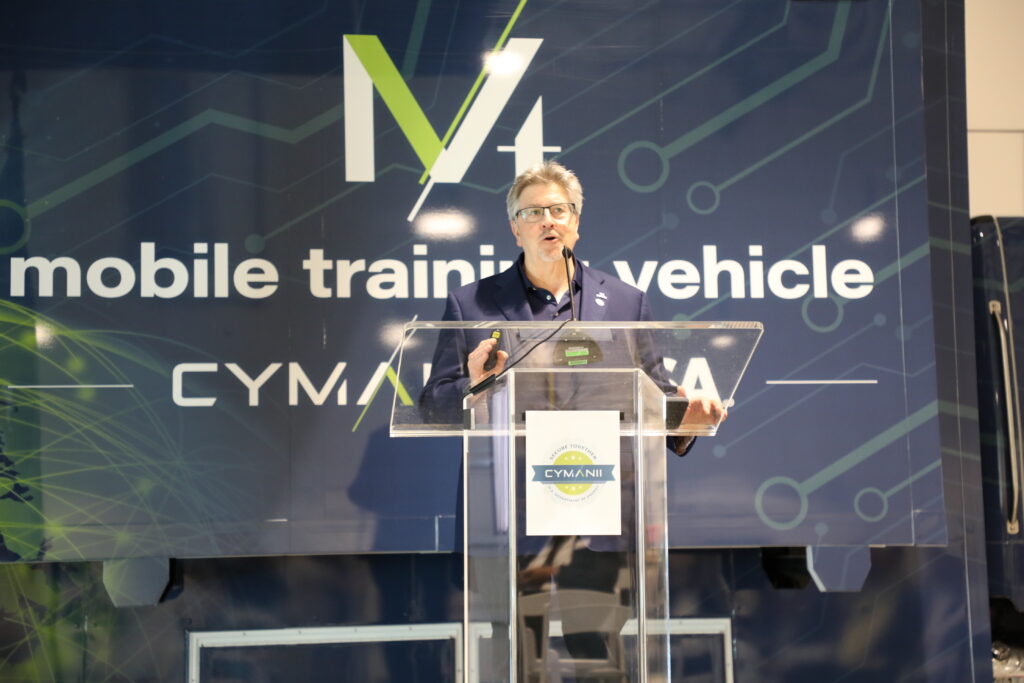
Moderated by Mike Molnar, director of the NIST Office of Advanced Manufacturing, the Town Hall was far more than a routine discussion. Input collected throughout the event will be used to create recommendations that help shape federal policy, program design, and funding priorities for the next strategic cycle. Organizers emphasized that the feedback would play a substantial role in how the federal government strengthens domestic manufacturing capabilities in an increasingly competitive global landscape.
“The future is what we’re here for today,” Molnar told the group. “This is about getting your voice heard in what the federal priorities should be for the next four years.”
Participants engaged in conversations around some of the most pressing issues facing the industry, including the need to accelerate advanced technologies, close workforce gaps, and secure supply chains against disruption. These themes align with the broader national strategy, which continues to prioritize innovation in areas like automation, artificial intelligence, and cybersecurity while also investing in a more skilled labor force.
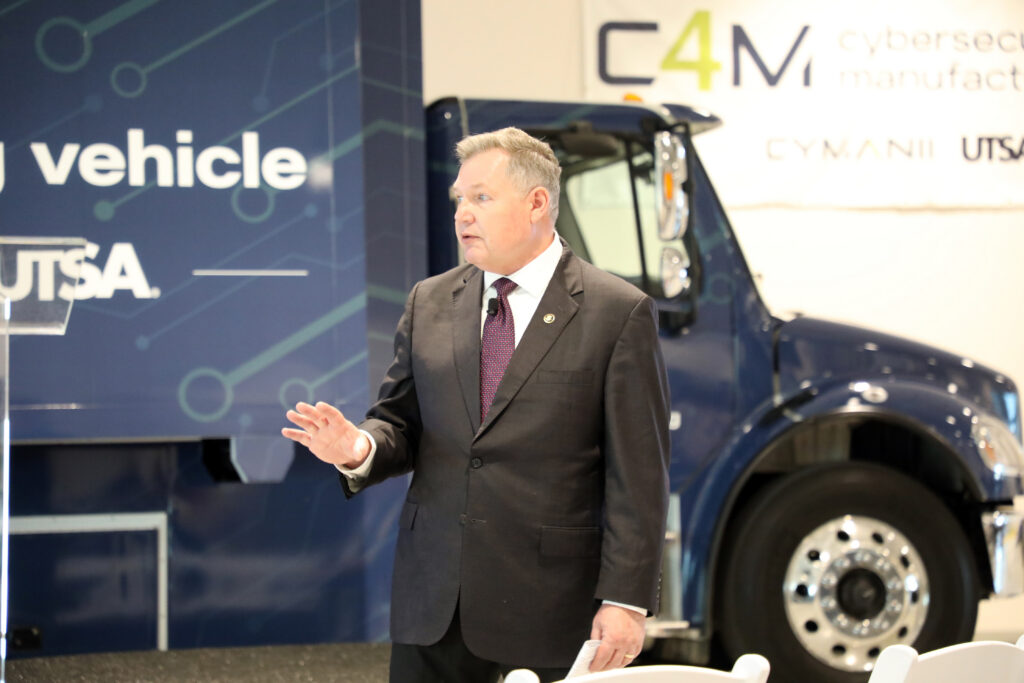
According to NIST, the manufacturing sector produces more than $300 billion annually in manufacturing gross in Texas. There are 853,000 manufacturing employees directly employed in the state and over 18,000 manufacturing firms that call Texas home. This is a major percentage of the country’s overall economic output and underscores manufacturing’s role in job creation and economic impact across America.
“Manufacturing is important to the U.S. economy and to employment,” said Molnar. “We directly employ 13 million Americans. If you talk to economists, the manufacturing sector has the highest economic multiplier effect. That means that one dollar generated in manufacturing generates $1.60 elsewhere in the economy.”
San Antonio’s selection as host city marked a significant moment for the region, reflecting its growing reputation as a hub for advanced manufacturing and innovation. Leaders pointed to the strength of the San Antonio Manufacturers Association (SAMA), the economic engine of Port San Antonio, and the cutting-edge work being done at CyManII as key reasons the city was chosen.
“Manufacturing is so important to our economic security,” Molnar said. “When you look at this strategic plan, a lot of it can’t be done by federal agencies. We can invest in technology and workforce and education development, but who’s actually providing the education? It’s our partners like CyManII. They need to succeed, so the federal government can succeed as well.”
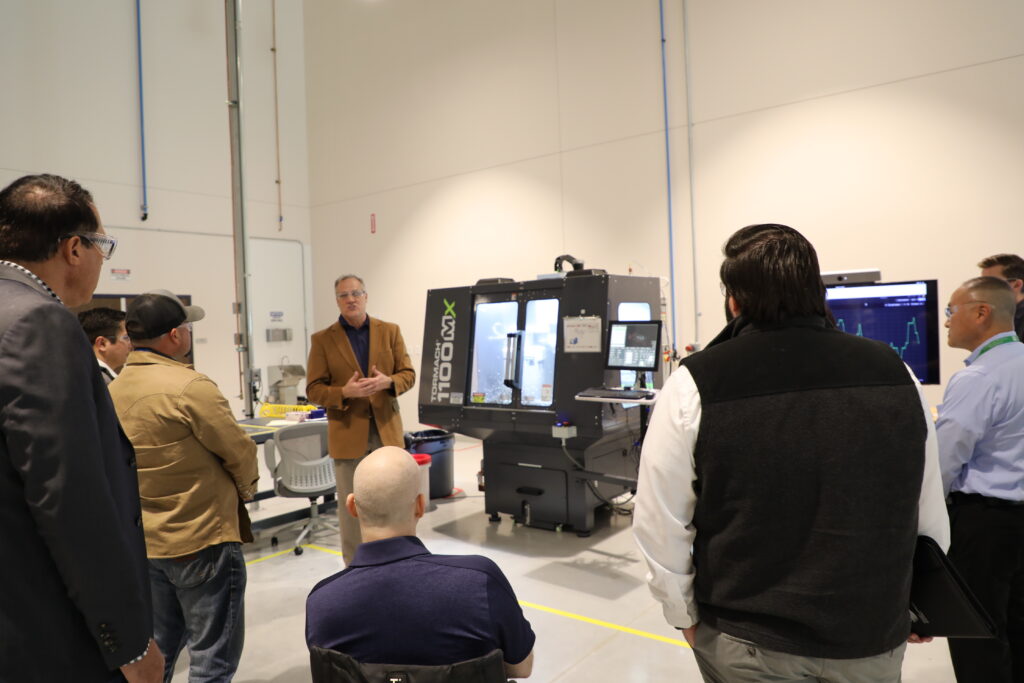
Following the Town Hall, attendees were given the opportunity to tour CyManII’s C4M facility and continue conversations in a more hands-on environment. By the end of the day, the message was clear: the insights gathered in San Antonio will help inform the next iteration of the National Strategic Plan for Advanced Manufacturing and influence how the U.S. invests in its industrial future.